RIVEN ROCK NEIGHBORHOOD
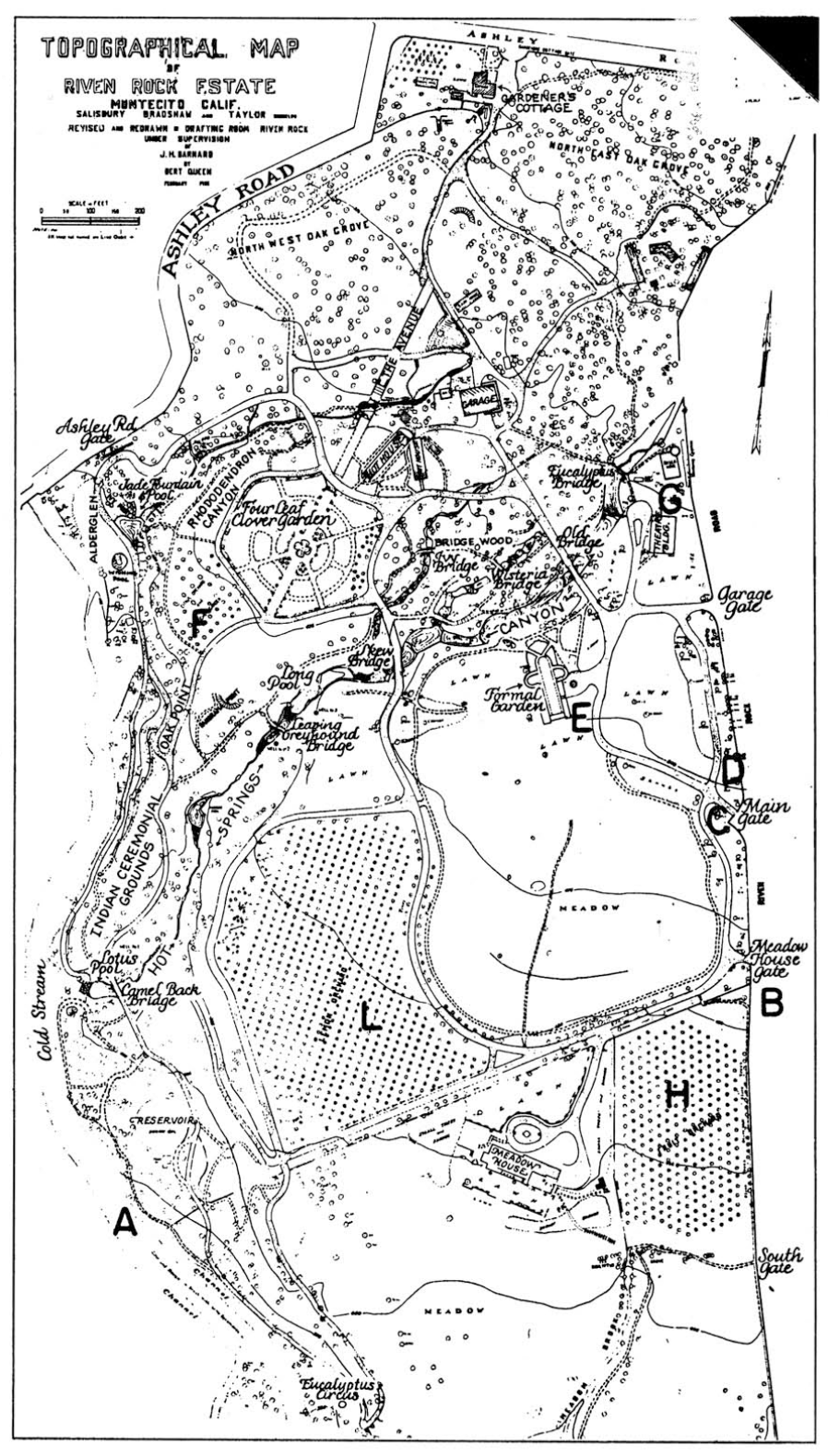
In Montecito, certain neighborhoods carry a presence that extends beyond architecture or acreage. Riven Rock is one of them. Tucked between quiet lanes and mature landscapes, it remains a place where the past is not preserved in a single moment but layered over time. Each generation leaves its imprint while allowing the essence of the land to endure. Long before Rockbridge Road became a collection of private residences, it formed part of one of Montecito's most expansive and influential estates. In the early 20th century, the Riven Rock property stretched across nearly 87 acres, shaped by Stanley McCormick, a man whose story is as layered as the land itself.
Stanley was born into the McCormick family, whose patriarch, Cyrus McCormick, had revolutionized agriculture through the invention of the mechanical reaper. Stanley, however, carved a life defined by a different set of passions. A Princeton graduate and accomplished athlete, he traveled extensively throughout Europe studying art, experiences that would later shape the extraordinary environment he cultivated at Riven Rock. As filmmaker Frank McGinity later observed, Stanley was "one of the pioneers in making the Santa Barbara lifestyle the envy of the country." His vision helped establish Montecito as the refined yet relaxed community it is recognized as today.
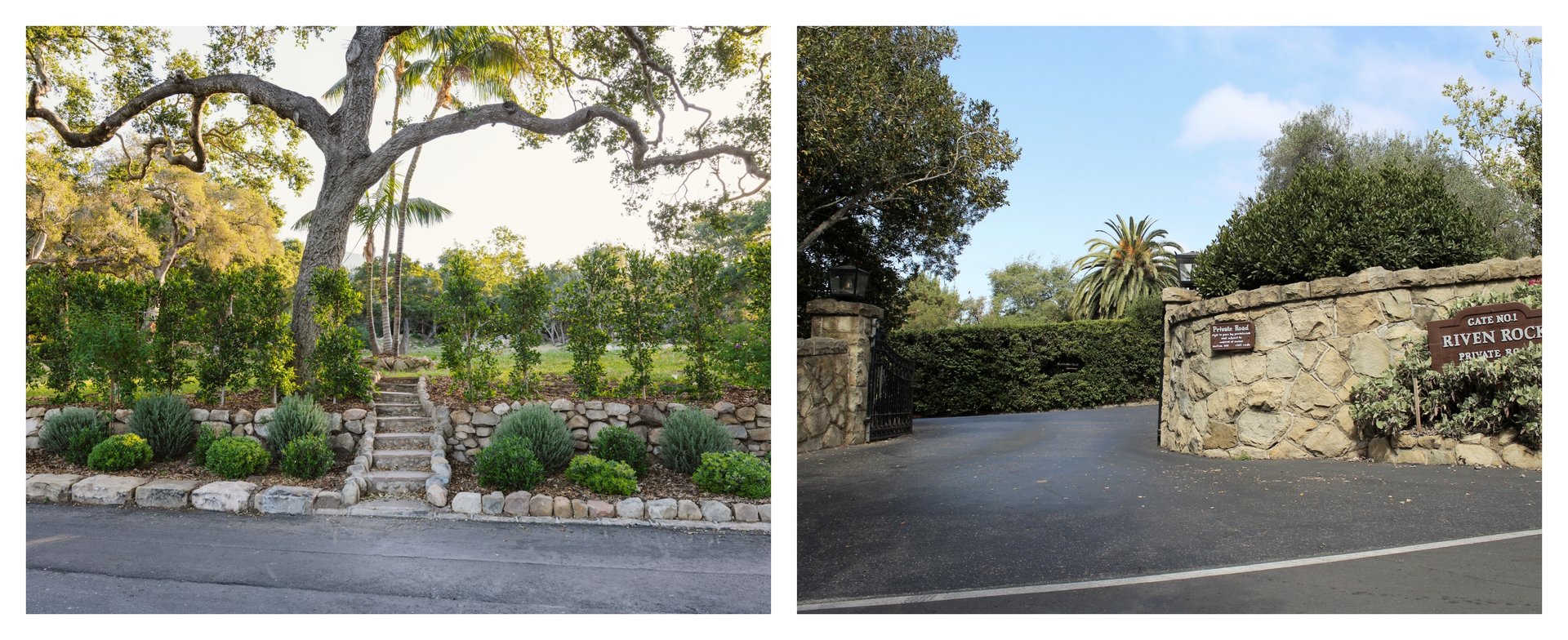
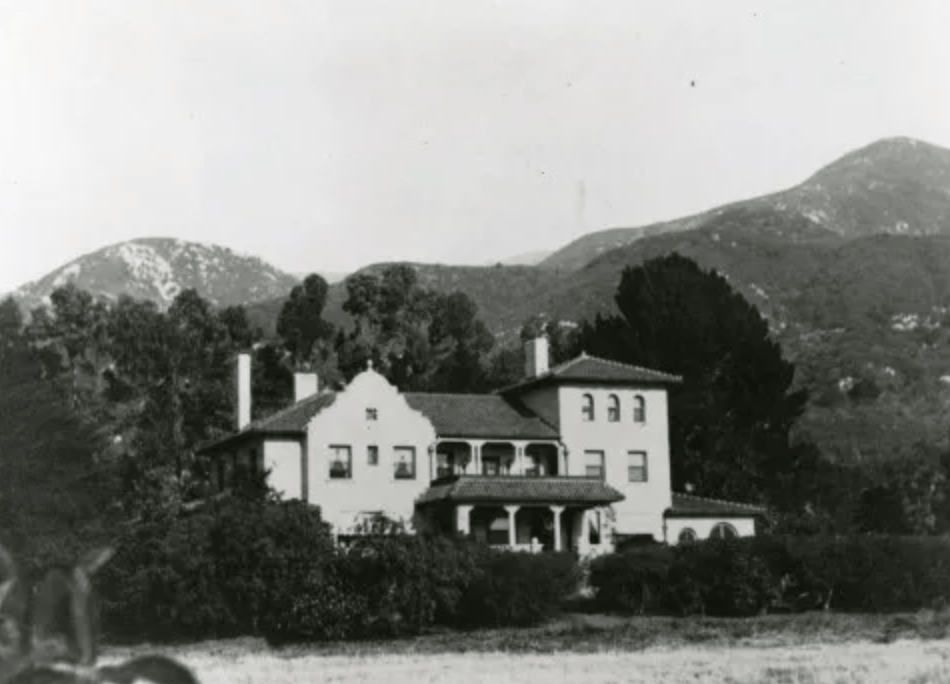
At its height, the estate reflected a lifestyle that balanced privacy with culture. Gardens were immersive, not merely decorative. Music was performed regularly on the grounds. Theater, film, and gatherings were woven into the rhythm of daily life. Winding paths, stone walls, orchards, and thoughtfully placed structures created an environment that felt both cultivated and deeply connected to the surrounding landscape.
Perhaps the most compelling figure to emerge from Riven Rock's history, however, was Stanley's wife, Katharine Dexter McCormick. One of the first women to graduate from MIT, Katharine became a pioneering philanthropist, suffragist, and advocate for women's rights, later inducted into the National Women's Hall of Fame. She served as vice president and treasurer of the National American Woman Suffrage Association and played a meaningful role in advancing support for the Nineteenth Amendment.
Her impact reached into science, education, and the arts. She established the Stanley R. McCormick Memorial Foundation for Neuro-Endocrine Research at Harvard Medical School, helped fund the development of the first oral contraceptive, a transformative investment equivalent to roughly $20 million today, and funded MIT's first women's dormitory, significantly increasing female enrollment. Locally, she served as vice president of the Santa Barbara Museum of Art, helped commission architect David Adler to transform the old post office into what is now the museum, and later donated nine Impressionist paintings to the collection, including works by Claude Monet.
The grounds themselves were designed with the same intentionality. Among their most distinctive features was a four-leaf clover-shaped garden, a whimsical and deliberate element that offered a glimpse into the thoughtful design philosophy that defined the estate.
LIFE IN RIVEN ROCK TODAY
Today, Riven Rock stands apart not because it has resisted change, but because of how carefully that change has been managed. Unlike more formal communities, it operates with a shared understanding of stewardship.
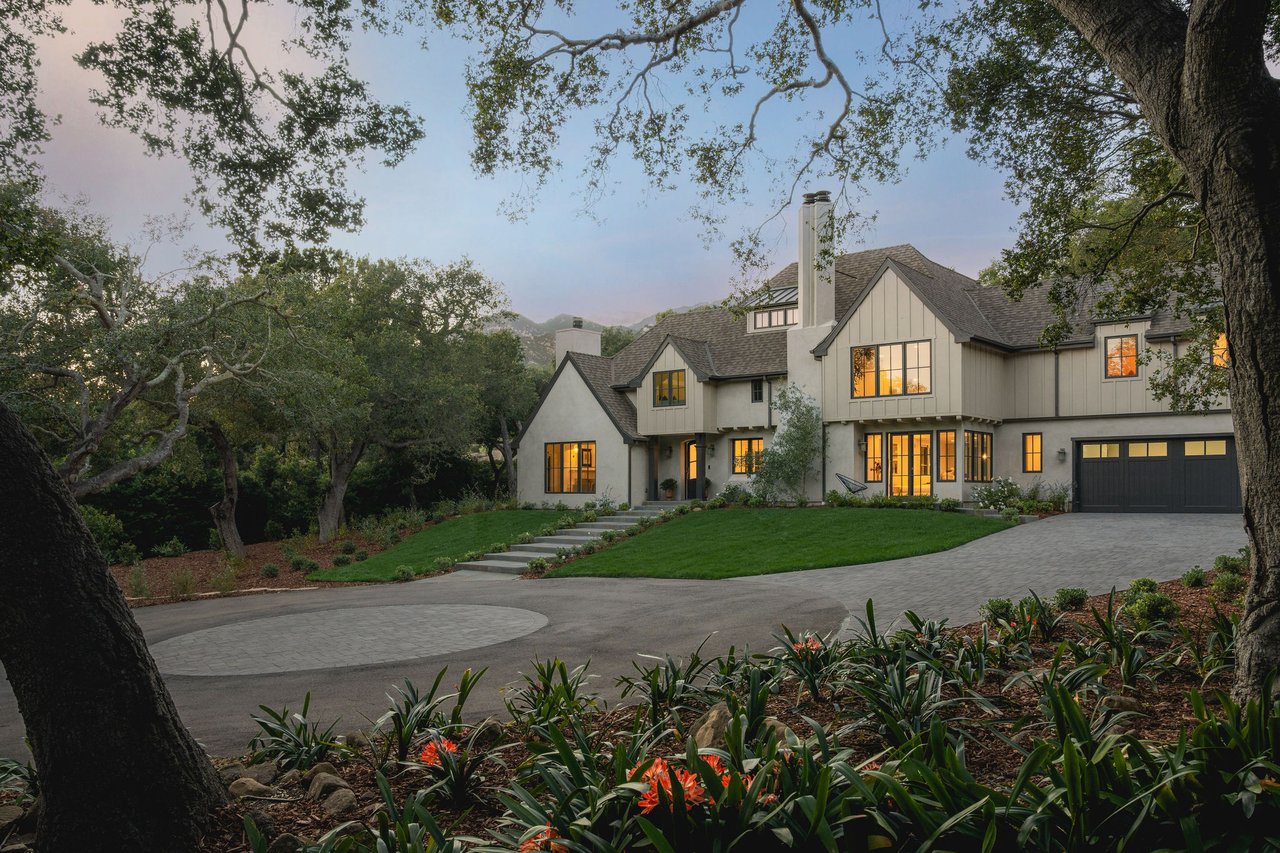
IT IS WITHIN THIS CONTEXT THAT 850 ROCKBRIDGE ROAD FINDS ITS PLACE.
FEATURED PROPERTY

Originally built as a Tudor, the home reflects an architectural style that has long been part of Montecito's design language, rooted in European influence and adapted to California living. Over time, it has been thoughtfully reimagined into a contemporary-inspired residence.
The approach, framed by mature oaks, echoes the neighborhood's enduring landscape, while the interiors prioritize natural light and livability.


More than any single property, what defines Rockbridge Road is this continuity. Homes may be reimagined, parcels refined, and architecture updated, but the underlying rhythm remains the same.